CrossArkLaw: South Korea PIPA Compliance for Offline Manufacturing & Industrial Equipment Exporters

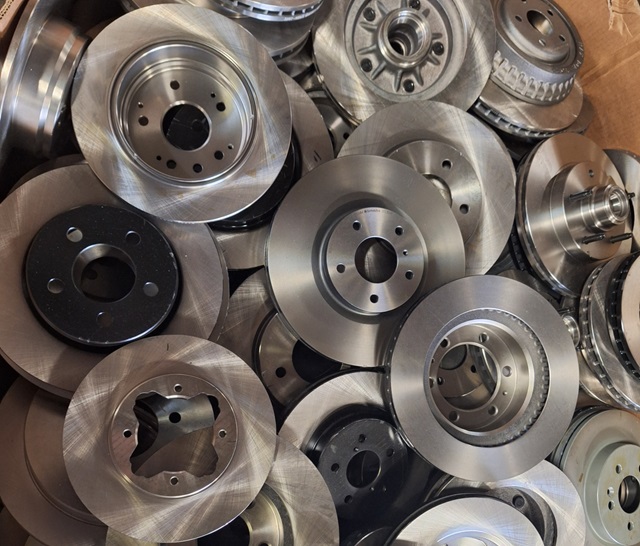
As Chinese machinery, auto parts and industrial equipment manufacturers expand offline
wholesale and factory-to-factory cooperation in South Korea, the Personal Information
Protection Act (PIPA) becomes mandatory compliance benchmark for all overseas
industrial enterprises collecting Korean clients’ business identity, engineering contact and
after-sales service data. Distinct from cross-border e-commerce platforms we covered
before, offline manufacturing firms face unique PIPC (Personal Information Protection
Commission) supervision targeting factory sales teams, on-site after-sales engineers and
industrial cloud data transmission. Failure to meet PIPA’s strict cross-border data rules
will lead to heavy fines, suspension of Korean factory cooperation and permanent loss of local
industrial supply channels.
The core cross-border transfer rule under PIPA Article 28-8 clearly defines five legal outbound
pathways for industrial personal data: explicit separate written consent of data subjects,
official adequacy recognition of receiving nations, PIPC-authorized international privacy
certification, binding cross-border data processing agreements, and necessary execution
of signed manufacturing contracts. Unlike GDPR’s broad legitimate interest exception, South
Korea bans data export merely based on business profit; all industrial client contact
information, engineer identity data and factory maintenance records require independent consent
before cross-border transmission to China’s domestic servers. Sensitive industrial data such as
factory safety biometrics and equipment confidential contact details face extra rigorous audit
thresholds.
A non-negotiable statutory obligation exclusively for foreign industrial suppliers with over
10,000 annual Korean data subjects is the appointment of a South Korean domestic privacy
agent. This local representative acts as the fixed liaison with PIPC, receiving supervision
notices, data breach reporting forms and rectification orders. Many Chinese machinery factories
ignore this rule and only set up sales agents without privacy authorization, resulting in direct PIPC
investigation and blocked industrial component deliveries. All data transfer contracts, consent
forms and industrial data risk assessment documents must be archived for a minimum of five years
for official inspection.
CrossArkLaw sorts out high-frequency PIPA violations among Chinese manufacturing exporters from
PIPC enforcement records: vague bundled consent clauses mixed with sales contracts, missing
domestic privacy representatives for large-volume industrial data processing, unfiled
cross-border data transfer impact assessments, delayed data breach notification within 72-hour
statutory window, unclassified factory biometric sensitive data. In recent years, multiple auto parts
manufacturers were fined up to 1.9 billion KRW for unauthorized cross-border transmission of
Korean factory manager information, alongside forced suspension of component supply to Korean
carmakers.
To resolve offline manufacturing enterprises’ South Korean data compliance pain points, CrossArkLaw
launches full-cycle PIPA industrial legal services. Our Korea privacy specialist team carries out
industrial data cross-border gap assessment, sorts factory sales, after-sales and cloud equipment
data categories, screens sensitive industrial information risks, and drafts staged rectification plans
matching PIPC enforcement standards. We assist clients in appointing legal Korean privacy agents,
drafting manufacturing-specific bilingual consent documents, signing standardized overseas data
processor agreements and establishing industrial data breach emergency workflows fully aligned with
PIPA regulatory demands.
Beyond pre-market compliance rectification, we provide PIPC inspection response and penalty dispute
resolution services. When industrial exporters receive official inquiry letters or data transfer suspension
orders, our legal team organizes complete industrial data evidence chains, submits standardized formal
reply materials and negotiates with Korean privacy regulators to cut fines and resume factory supply
cooperation. We continuously track PIPA amendment updates and PIPC industrial data supervision
bulletins to help enterprises separate Korean PIPA rules from EU GDPR frameworks and avoid dual
regulatory penalties.
Hyperlink List:
● South Korea PIPC Official PIPA Statutory Portal:
https://www.pipc.go.kr/eng/main.do
● PIPC Cross-Border Personal Data Transfer Official Guideline:
https://www.pipc.go.kr/eng/law/guide
● ISO IEC 27701 International Privacy Certification Official Page: