Beyond the Balance Sheet: Advanced Commercial Investigation Services for Global Enterprises

enterprise’s stability often lurk in the shadows, far removed from traditional financial audits
and standard background checks. While routine due diligence focuses on market viability and
balance sheets, a new breed of risk requires specialized commercial investigation services.
These targeted inquiries go beyond surface-level verifications to uncover hidden operational
vulnerabilities, internal malfeasance, and sophisticated external fraud. For forward-thinking
organizations, deploying specialized investigative intelligence is no longer a reactive measure;
it is a proactive strategy to safeguard assets, protect intellectual property, and ensure
organizational integrity.
Internal Integrity and Employee Misconduct Investigations
The most devastating risks often originate from within. Internal integrity investigations are
critical when organizations suspect that employees are engaging in activities that compromise
the company’s bottom line or ethical standards. This includes investigating embezzlement,
procurement fraud, or the acceptance of kickbacks from vendors. Beyond financial theft,
companies must also address workplace misconduct. Professional investigators conduct
discreet inquiries into allegations of harassment, discrimination, or toxic workplace behavior.
Furthermore, in an era of high turnover, pre-employment and post-employment screening
has become essential. Companies frequently discover that departing executives are poaching
clients or violating non-compete agreements. Specialized investigations can uncover these
breaches early, providing the legal evidence necessary to enforce contractual obligations and
protect client relationships.
Intellectual Property Protection and Anti-Counterfeiting
For companies whose value is rooted in innovation and brand equity, intellectual property (IP)
theft is an existential threat. IP protection and anti-counterfeiting investigations require a
blend of digital forensics and traditional fieldwork. Investigators utilize advanced digital
intelligence to track online infringement, identifying unauthorized sellers on e-commerce
platforms and tracing the digital footprints of counterfeiters. However, digital evidence must
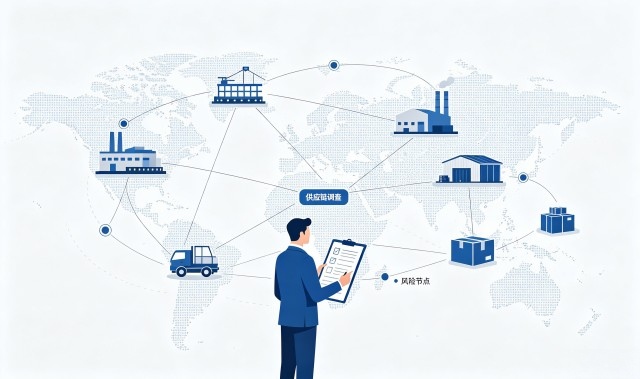
often be corroborated by physical reality. This involves covert supply chain mapping, where
investigators discreetly monitor manufacturing facilities, logistics hubs, and distribution
centers to identify the true sources of counterfeit goods. By gathering actionable intelligence,
legal teams can secure court orders for asset seizures, file takedown notices, and initiate civil
litigation against bad actors, effectively dismantling counterfeit networks.
Digital Forensics and Cyber Incident Response
As businesses become increasingly digitized, the risk of cyber threats and data breaches has
skyrocketed. Digital forensics and cyber incident response investigations are deployed
when a company suspects a data breach, insider trading, or the theft of trade secrets. When
a cyberattack occurs, forensic experts meticulously analyze compromised networks, servers,
and endpoints to determine the attack vector, the extent of the data exfiltration, and the
identity of the perpetrators. This process is not merely technical; it is deeply legal. Investigators
must maintain a strict chain of custody for all digital evidence to ensure it remains admissible
in regulatory proceedings or criminal prosecutions. Furthermore, in cases of suspected insider
threats, digital forensics can reconstruct a user’s activity timeline, revealing unauthorized file
transfers or communications with external competitors.
Asset Tracing and Litigation Support
Winning a commercial lawsuit is only half the battle; recovering the judgment is where many
companies fail. Asset tracing and litigation support services are designed to locate hidden
wealth and enforce court orders. When a debtor claims insolvency to avoid paying a debt,
investigators conduct exhaustive financial profiling to uncover concealed assets. This involves
piercing corporate veils to identify offshore shell companies, tracing real estate holdings, and
analyzing complex financial transactions to spot fraudulent transfers. In addition to asset
recovery, specialized investigators provide litigation support by gathering factual evidence,
interviewing witnesses, and conducting surveillance to corroborate claims. This intelligence
empowers legal teams to negotiate favorable settlements, secure pre-judgment asset freezes,
and ultimately ensure that their clients receive the compensation they are legally owed.
Conclusion: Intelligence as a Strategic Imperative
In an environment where commercial risks are increasingly sophisticated and multifaceted,
relying on standard compliance measures is insufficient. Specialized commercial investigation
services provide the deep, actionable intelligence required to navigate these hidden dangers.
Whether protecting internal culture, defending intellectual property, responding to cyber
crises, or enforcing legal judgments, these investigations transform uncertainty into clarity.
By integrating specialized investigative capabilities into their risk management framework,
enterprises can operate with confidence, knowing they have the tools to detect, deter, and
defeat the most complex threats to their business.
Reference Resources
● ACFE (Association of Certified Fraud Examiners) – Occupational Fraud: Comprehensive
resources, case studies, and methodologies for investigating internal employee misconduct
and corporate fraud.
https://www.acfe.com/fraud-resources
● WIPO – Intellectual Property Enforcement: Global frameworks and guidelines for
combating counterfeiting and enforcing IP rights across international borders.
https://www.wipo.int/enforcement/en/
● SANS Institute – Digital Forensics: Leading educational and technical resources for
digital forensics, incident response, and cyber investigation best practices.
https://www.sans.org/digital-forensics-incident-response/
● INSOL International – Asset Tracing: Global standards and resources for cross-border
asset recovery, insolvency, and litigation support.